

Menu

Services


Rehabilitation Services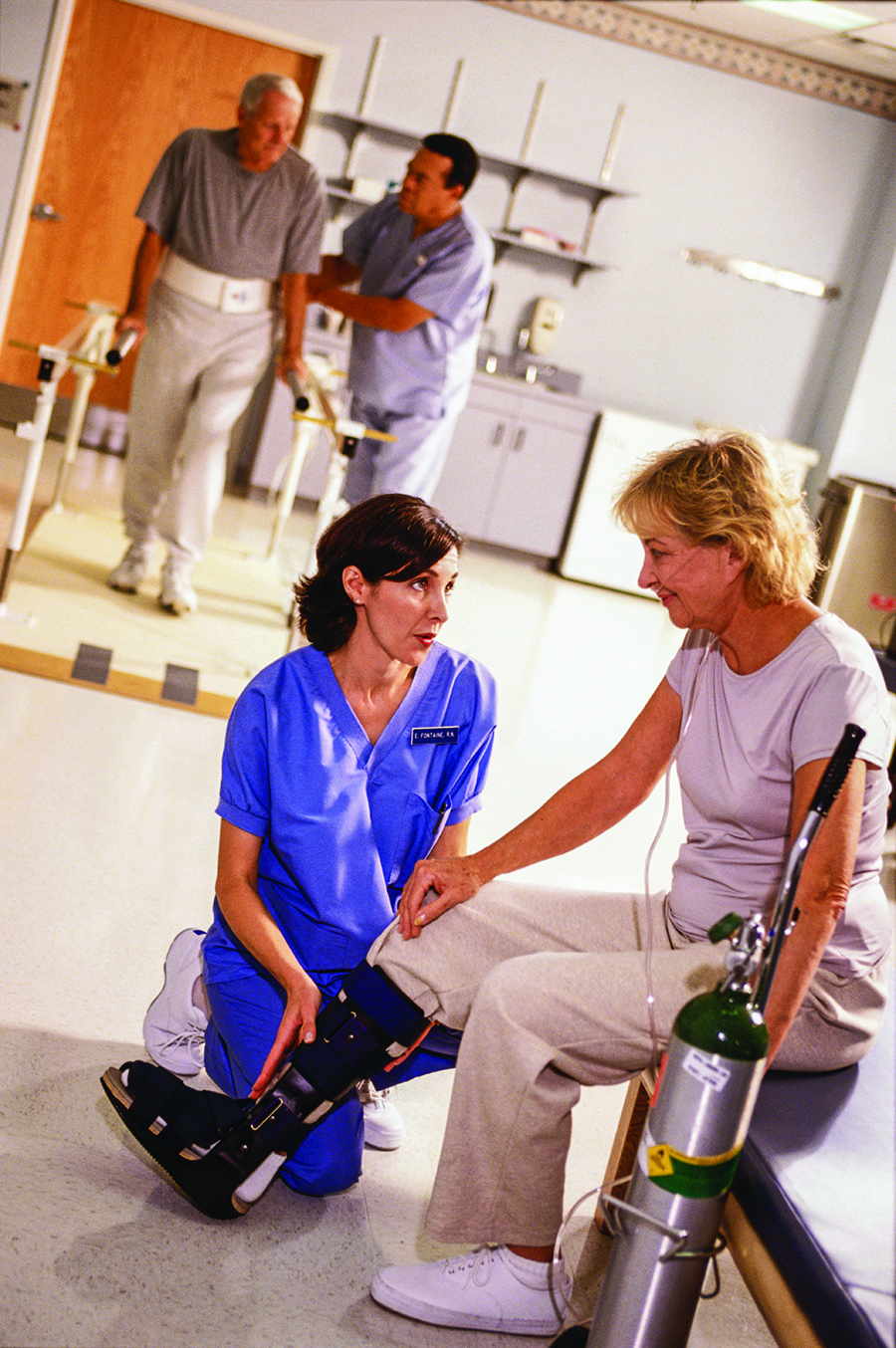
Jane Todd Crawford Hospital offers comprehensive Physical, Occupational, and Speech Therapy Services to help patients regain strength, mobility, independence, communication, and other important skills following an illness, injury, surgery, or change in health.
Our Rehabilitation Services team includes a licensed physical therapist, two physical therapy assistants, a speech-language pathologist, and an occupational therapist. Our rehabilitation professionals work closely with patients, families, physicians, and other members of the healthcare team to develop individualized treatment plans based on each patient’s needs and goals.
Rehabilitation can benefit patients of all ages and may be especially important for older adults, individuals recovering from surgery or hospitalization, and those living with chronic, orthopedic, or neurological conditions.
Physical Therapy
Physical therapy focuses on improving movement, strength, balance, flexibility, and mobility. Treatment may help patients recover from an injury, surgery, illness, or other condition that has affected their ability to move safely and independently.
Physical therapy may benefit patients recovering from or living with conditions such as:
-
Stroke
-
Total hip or knee replacement
-
Orthopedic injuries or surgery
-
COPD and other chronic conditions
-
General weakness or deconditioning
-
Balance difficulties and increased risk of falls
Physical therapists may use strengthening, stretching, balance training, gait training, therapeutic exercise, and other techniques to help patients improve function and safely return to everyday activities. For older adults in particular, improving strength, mobility, and balance can play an important role in reducing fall risk and maintaining independence.
Occupational Therapy
Occupational therapy helps patients regain or improve the skills necessary to perform daily activities safely and independently.
Depending on the patient’s individual needs, occupational therapy may address activities such as:
-
Bathing and dressing
-
Eating and feeding
-
Toileting and personal care
-
Meal preparation and household activities
-
Upper-extremity and hand function
-
Returning to everyday routines
For example, a patient recovering from a stroke may work with an occupational therapist to relearn how to dress, eat, or perform other daily activities. Therapists may also recommend adaptive equipment or assistive devices and provide splints when appropriate to support function and positioning. Occupational therapists can also teach techniques such as energy conservation, activity modification, and work simplification to make everyday activities safer and more manageable.
Occupational therapy may benefit patients with conditions including stroke, COPD, hip or knee replacement, prolonged hospitalization or general weakness, shoulder injuries, brain or spinal cord injuries, Parkinson’s disease, and other neurological or orthopedic conditions.
Speech Therapy
Speech-language pathology addresses much more than speech. A speech-language pathologist can evaluate and treat difficulties involving speech, language, voice, cognition, communication, and swallowing.
Speech therapy may benefit patients following or experiencing:
-
Stroke
-
Brain or head injury
-
Neurological conditions such as Parkinson’s disease, multiple sclerosis, or Alzheimer’s disease
-
Certain head and neck conditions or surgeries
-
Other illnesses or injuries affecting communication or swallowing
Treatment is individualized based on each patient’s needs and may include exercises and strategies designed to improve speech, communication, memory, problem-solving, voice, and other cognitive-communication skills.
Swallowing Therapy
Speech-language pathologists also evaluate and treat swallowing difficulties, known as dysphagia. Swallowing problems can occur for many reasons, including stroke, neurological disease, brain or spinal cord injury, certain cancers, surgery involving the head or neck, and other medical conditions. Difficulty swallowing can increase the risk of dehydration, poor nutrition, and aspiration, which occurs when food or liquid enters the airway.
Depending on the cause and severity of the swallowing difficulty, a speech-language pathologist may recommend:
-
Exercises to improve swallowing function
-
Specific positioning or swallowing techniques
-
Strategies to make eating and drinking safer
-
Modifications to food textures or liquid consistencies when medically appropriate
Helping Patients Regain Independence
Whether recovering from surgery, illness, injury, or a neurological condition, the goal of Rehabilitation Services at Jane Todd Crawford Hospital is to help each patient achieve the highest possible level of function, safety, and independence and return to the activities that are important to them.
For more information on rehabilitation services, please call 270-932-4211 and ask for Rehabilitation.
Executive Director of Physical Therapy: Lottie Shaw
Director of Physical Therapy: David Cole, PT